If you are over 45, the best group ride is not automatically the fastest one, the biggest one, or the one with the most impressive riders. It is the one you can finish feeling challenged but not wrecked, welcomed but not rushed, and eager to do again.
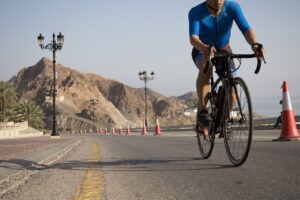
That matters because group riding changes a little as you get older. Recovery often takes longer, life schedules are less forgiving, and safety tends to matter more than ego. Cycling can still be an excellent way to stay fit, keep social, and enjoy the bike for years to come. The key is choosing the right group ride for older cyclists, not just joining whatever is available.
Why the Right Group Ride Matters More After 45
For many riders, group rides start out as a way to get faster. After 45, they often become something else too: a way to stay consistent, build confidence, and keep cycling enjoyable when solo training starts to feel repetitive.
That shift is worth embracing. Research on older adults shows cycling supports physical and mental wellbeing, and can help with balance, strength, independence, and social connection. At the same time, older riders also have more reason to think carefully about falls, road conditions, traffic, and recovery. A ride that looked harmless at 35 can feel very different at 55 if it involves sharp surges, tight packs, rough roads, or a long climb after a busy week.
So the question is not whether group riding is “for you.” It is how to find a group ride for older cyclists that fits your current body, your current confidence, and your current goals.
Decoding Group Ride Types: Social, Training, No-Drop, and Race-Style
A lot of frustration comes from misunderstanding labels. A ride described as “C pace,” “no-drop,” or “social” may sound clear, but those words do not always mean the same thing from one club to another.
A social ride is usually the most forgiving option. The focus is conversation, steady movement, and keeping the group together. These are often the best type of cycling group ride for over 50 beginners because they are less about performance and more about ease, familiarity, and confidence.
A training ride is different. It may still be friendly, but the purpose is fitness. That can mean a steadier tempo, structured efforts, or a pace that is comfortable only if you are already reasonably fit and recovered.
A no-drop group ride sounds ideal for older cyclists, and often it is. But no-drop does not always mean easy. It usually means the group will wait or regroup, not that the pace will be relaxed. Hills, wind, and surges can still make the ride demanding.
Race-style or fast club rides are the least forgiving. These rides can be exciting if you are fit, confident, and comfortable in close packs, but they are not usually the best entry point if you are returning to cycling, managing joint issues, or simply trying to ride more sustainably.
The practical lesson is simple. Do not choose based on the label alone. Read what the ride is for, not just what it is called.
Pace, Terrain, and Effort: Choosing a Ride You Can Finish Strong
A posted average speed is only a rough clue. It does not tell you how hilly the route is, how often the group surges, whether the bunch drafts smoothly, or how demanding the pace feels after an hour.
That is why choosing the right group ride means looking beyond speed. A 16 mph ride on flat, smooth roads with steady riders may feel easier than a 14 mph ride with short climbs, repeated accelerations, and a stop-start pace. For older riders, that difference matters because recovery capacity is part of the decision, not just raw fitness.
A sensible first step is to compare the ride to what you already handle comfortably on similar terrain when riding solo. If a ride seems slightly easier on paper than your usual solo pace, that may still be the right choice because group dynamics can make the effort feel harder. Drafting can help on flat roads, but surges, cornering, and changes in pace often raise the real workload.
If you are unsure, err on the conservative side. For your first group ride, pick a no-drop or social option and treat the advertised speed as only part of the picture. If possible, choose a ride that sits a little below what you think you can do, then see how it feels.
Also pay attention to terrain. Elevation, road surface, traffic volume, and weather can matter as much as pace. A ride that looks manageable in dry conditions on quiet roads may be much less appealing on rough pavement, in wind, or on routes with heavy traffic.
Safety First: What a Well-Run Group Ride Looks Like
Safe group rides for seniors and younger riders alike share a few habits. The group moves predictably. Riders hold a line. Hazards are called out. Braking is smooth. The pace is steady enough that people are not constantly sprinting up to reconnect.
That predictability is especially important for older cyclists. A fall that might have been a minor setback years ago can have a bigger impact now. You do not need to avoid every paced ride, but you do want a group that treats safety as part of the culture, not an afterthought.
Look for rides that clearly mention regroup points, route details, and what happens if someone has a mechanical issue or gets dropped. A well-run ride should make it easy to understand the expectations before you clip in.
If a group is known for aggressive descending, frequent attacks, or dismissive attitudes toward caution, take that seriously. There is no rule that says you have to learn group riding in the most chaotic environment available.
If you are wondering is it safe for seniors to ride in pacelines, the honest answer is that it depends on the group, the road, and your own comfort and skills. A controlled paceline with good communication is very different from a twitchy, crowded bunch where people overlap wheels and brake abruptly. Older riders do not need to avoid pacelines forever, but they should earn confidence in them gradually.
Finding Your People: Matching Group Culture and Personality
A good group ride is not only about pace. It is also about personality.
Some rides are chatty and relaxed. Others are quiet and focused. Some clubs welcome beginners and returning riders. Others are full of strong athletes who may mean well but ride in a way that feels intense, impatient, or hard to read. The wrong culture can make even a suitable pace feel unpleasant.
This is why cycling clubs for older adults and over-55 cycling club rides can be valuable, but not automatically ideal. Age-specific groups can be supportive, social, and reassuring. They can also be very fast. Do not assume that “masters” or “over-50” means gentle.
If you are more introverted, look for social cycling groups over 50 that advertise welcoming rides, coffee stops, or beginner-friendly routes. If you are more performance-minded, a masters cyclists group training ride may suit you better, as long as the pace and handling are still realistic for your current level.
The main question is whether the group makes you want to come back. If you feel watched, rushed, or embarrassed, the ride is probably not the right fit. If you feel safe enough to ask questions and relax into the rhythm, you have probably found a better match.
Your First or First in a While Group Ride: A Practical Approach
If you have not ridden with a group recently, the first ride should be treated as a learning ride, not a test.
Before you join, check the basics: distance, elevation, pace range, ride type, route surface, regroup points, and whether the leader expects riders to stay together or stretch out. If the description is vague, ask. A good organizer will not mind.
It also helps to tell the ride leader that you are new or returning. That simple sentence can reduce anxiety more than you might expect. It gives the leader context if you hang back, need a stop, or decide to ease off.
On the ride itself, start conservatively. For a new older rider, the back third of the group is usually the safest place to begin. You can see how the ride flows, avoid pressure to cover every move at the front, and reduce the risk of getting caught in the most chaotic part of the bunch.
Do not worry about proving yourself immediately. Sit in, conserve energy, and focus on staying smooth.
Essential Skills and Etiquette for Confident, Predictable Group Riding
Good group ride etiquette protects everyone, but it helps older riders in particular because it reduces surprises.
The basics are not complicated. Hold a steady line. Do not half-wheel. Avoid sudden braking. Signal and call out hazards. Look ahead, not just at the wheel in front of you. If the group rotates, follow the pattern rather than improvising.
One of the most useful group ride safety tips is to avoid unnecessary heroics. You do not need to take long pulls on the front during your first rides. You do not need to drift into the wind or surge to close every gap. You especially do not need to start at the front if you are still learning how the group moves.
If someone calls out a pothole, gravel patch, parked car, or slowing rider, pass the message back clearly. That habit is one of the simplest ways to keep a ride calm and safe.
It is also fine to ask questions. Good group ride etiquette for cyclists over 50 includes learning the local norms. Some groups expect a paceline rotation. Others do not. Some stop for mechanicals. Others regroup later. Do not guess if you can ask.
Fitting Group Rides Into an Age-Smart Training and Recovery Plan
A lot of masters cyclists group training problems come from treating every group ride like a race or every ride like it should be hard enough to “count.” That approach often works against recovery.
A better model is to use group rides for the purpose they serve best. Social rides build consistency and confidence. Steady training rides support aerobic fitness. Faster rides can add intensity when you are fresh enough to absorb it. Not every week needs the same kind of effort.
If a group ride leaves you exhausted, sore, or unusually tense for days, that is useful information. It may mean the ride is too hard, too long, too hilly, or simply not the right fit right now.
This matters even more after 45 because life stress, sleep, joint comfort, and general recovery all compete with training. The goal is not to squeeze every possible watt from a ride. The goal is to keep riding well for years.
If you have a medical condition, take medications that affect heart rate or balance, or have lingering pain or dizziness, it may be worth discussing your cycling plans with a qualified professional. That is not about asking for permission to ride. It is about making sure your choices match your situation.
If It Does Not Feel Right: What to Change Before You Quit Group Riding
Many cyclists abandon group rides after one bad experience, when the better move would have been to change the ride, not quit the habit.
If the group is too fast, step down. If the ride feels chaotic, choose a calmer club. If the start time is unrealistic, look for something later. If the route is too traffic-heavy or too hilly, find a different day or organizer.
What to do if a group ride is too fast at age 55 is usually simpler than people think. Drop back early instead of fighting to stay attached. Tell the leader if there is one. Use your navigation so you can finish independently if needed. There is no shame in shortening the ride or riding home at your own pace.
A poor fit is not a verdict on your fitness or your personality. It is just feedback.
If you repeatedly feel ignored, unsafe, or pressured to ride beyond your comfort, walk away. The right group should make cycling more sustainable, not less.
Making Group Riding Sustainable and Fun for the Long Haul
The best long-term approach is to treat group riding as one part of a wider cycling life.
Some weeks you may want social connection. Other weeks you may want structure and effort. Sometimes you may want to ride with a group only once or twice and do the rest of your riding solo. That is completely normal.
It also helps to be realistic about your own personality. Some riders thrive in competitive packs. Others prefer easy conversation, coffee stops, and predictable pacing. Neither approach is more “serious” in any meaningful way. The best one is the one you will keep doing.
If you are looking for how to find social cycling clubs for older adults, start locally. Check club listings, community ride platforms, and regional cycling organizations. Look for descriptions that mention ride leaders, pace, route type, and beginner-friendly options. Many clubs now make it easier to compare rides before you join, which takes a lot of the guesswork out of the process.
The real win is not finding the hardest group you can survive. It is finding a group that helps you ride more often, with more confidence, and with less stress.
FAQs for Riders 45+ About Group Rides
How do I choose a group ride that matches my pace?
Start with your current comfortable solo pace on similar terrain, then choose a ride that sounds slightly easier than that. Read beyond the average speed and pay attention to hills, traffic, surging, and whether the ride is social, training-focused, or race-like. If the description is vague, ask the leader directly.
What is a no-drop group ride and is it good for older cyclists?
A no-drop group ride usually means riders are expected to regroup so no one is abandoned. That makes it appealing for many older cyclists, but it does not always mean the pace will be easy. Hills and surges can still make it hard, so check the expected effort before joining.
How fast are typical A, B, C, and D group rides?
Those labels vary by club and region, so there is no universal standard. In some places, A is the fastest and D is the most relaxed. In others, the pace is defined differently. Use labels as a rough guide only, then ask what the ride feels like on the road.
How can I avoid getting dropped on a group ride at age 50?
Pick a ride that is slightly easier than your current solo capacity, start near the back, and avoid spending too much energy at the front. Pay attention to hills and surges, and do not be afraid to back off early if the pace is more demanding than expected.
Are group rides safe for older cyclists?
They can be, especially when the ride is well run, the route is sensible, and the group values predictable behavior. Safety depends on the ride culture, the road conditions, your skills, and your own health considerations. Older riders should be especially cautious about tight packs, traffic, poor surfaces, and fatigue.
How do I find age-friendly or over-50 cycling groups?
Look at local club listings, community ride platforms, and regional cycling organizations. Some clubs offer over-50 or over-55 groups, while others have slower social rides that attract mixed ages. A label alone is not enough, so verify the actual pace and style before you go.
What should I ask a ride leader before joining my first group ride?
Ask about typical pace on flats and climbs, distance, elevation, regroup points, what happens if someone is dropped, and whether the ride is relaxed or competitive. Those questions quickly tell you whether the ride matches your needs.
How can a shy or introverted cyclist find a friendly group ride?
Look for rides described as social, beginner-friendly, or community-focused. Tell the leader you are new, and choose a ride where conversation is part of the culture. A calm, welcoming group is usually easier to settle into than a highly competitive one.
How do I balance group rides with recovery as a masters cyclist?
Use group rides selectively. Social rides can support consistency, while harder rides should be spaced out so you recover properly. If a group ride leaves you drained for several days, it is probably too ambitious for regular use.
What’s the best position in the bunch for a new older rider?
Usually the back third. That position gives you time to react, reduces pressure, and lets you learn how the group moves before you take on more responsibility.
The smartest group ride for older cyclists is the one that respects your current fitness, your recovery, and your personality. When you choose carefully, ask direct questions, and start conservatively, group riding becomes much more than a workout. It becomes a reliable way to stay active, stay connected, and keep loving the bike for the long haul.