Cyclists over 50 can absolutely get lighter without getting weaker, but the method matters. The goal is not to “diet harder.” It is to lose body fat in a way that protects the muscle, energy, and training quality that keep your power on the bike.
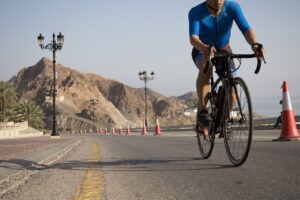
That is especially important if you care about climbing, sustained effort, and watts per kilogram. When weight loss is done well, it can improve climbing and make riding feel easier at a given pace. When it is done badly, it often leaves riders flatter, hungrier, slower to recover, and less able to produce the power they had before.
Can You Lose Weight Without Losing Power After 50?
Yes, but the trade-off is easier to get wrong after 50 than it was in your 30s or 40s. As riders age, preserving lean mass becomes more important, recovery tends to slow down, and under-fuelling shows up sooner in training quality. That does not mean weight loss is off the table. It means the best approach is usually slower, smarter, and more deliberate.
For most cyclists over 50, the real target is not just body weight. It is the combination of body fat, lean mass, recovery, and ride performance. A lower number on the scale is only useful if it helps you climb better, hold power longer, and stay healthy enough to keep training.
The good news is that the current weight-loss guidance for athletes points in the same direction: use a modest energy deficit, keep protein high enough to support muscle, continue resistance training, and avoid starving hard sessions. That is the most reliable way to lose weight without losing power after 50.
Why Weight Loss Feels Different After 50
Many cyclists notice that the old “eat less and ride more” formula stops working the way it used to. That is not just in your head. Older athletes are more vulnerable to losing lean mass during dieting, and they may also feel the effects of fatigue, soreness, and poor recovery more quickly if they cut calories too aggressively.
Cycling alone is also not a strong enough muscle-retention signal for many older riders. You may ride a lot and still lose some of the muscle that helps support sustained power, especially if the calorie deficit is large and protein intake is too low. That is why masters cyclist nutrition has to be a little more careful than generic weight-loss advice.
Another reason weight loss feels different after 50 is that the consequences of a bad diet phase last longer. A younger rider might bounce back after a week of low energy intake. A rider over 50 may notice several days of dull legs, poor sleep, and reduced motivation. If the deficit is too aggressive, the scale may move, but training quality and consistency can suffer enough to erase the benefit.
The 4 Rules That Protect Power While You Lose Fat
The most useful way to think about weight loss for cyclists is not in terms of tricks or shortcuts. It is about four simple rules that work together.
First, keep the calorie deficit small enough that you can still train well. A slow, steady approach is safer for performance than rapid weight loss. If you are losing weight so fast that your rides feel flat, the deficit is probably too large.
Second, keep protein high enough to help preserve lean mass while dieting. The research on protein for older athletes and weight loss in athletes consistently points in that direction. The exact amount varies with body size, training load, and total energy intake, but the principle is clear: protein matters more after 50 than many riders think.
Third, keep resistance training in the plan. If you want to preserve muscle while dieting, cycling alone is usually not enough. Strength training helps maintain the muscle that supports power, posture, and durability on the bike.
Fourth, fully fuel the rides that matter most. If you under-fuel intervals, long climbs, and strength sessions, you lower the quality of the training stimulus. That makes it easier to lose power along with body fat. The deficit should come mostly from easier days and non-training meals, not from the sessions that build fitness.
How to Eat on Hard Days, Easy Days, and Rest Days
One of the smartest ways to lose weight while keeping performance is to match your food to your training load.
On hard days, especially interval days or long rides with climbing, eat enough carbohydrate and overall energy to support the work. This is not the day to “be disciplined” by going hungry. If you want to improve watts per kilogram, you still need the watts. Under-fuelling hard rides often backfires because it reduces power output, training quality, and recovery.
On easy days, create more of your calorie deficit. That usually means slightly smaller portions, fewer snack calories, and a little less energy-dense food, while still keeping meals balanced and protein adequate.
On rest days, you do not necessarily need to cut carbs to the bone. Should cyclists eat carbs on rest days while losing weight? Often, yes, at least in moderate amounts. Recovery still matters, and some riders feel and function better when they do not slash carbohydrate every time they are off the bike. The key is to avoid treating rest days as a reason to overeat, while also not turning them into low-energy days that leave you flat the next morning.
A useful rule for older cyclists is to protect the sessions that drive adaptation. Fuel hard rides, fuel strength work, and let the easier days do more of the calorie-deficit work.
Why Strength Training Matters More Than More Miles
If your goal is to preserve muscle while dieting, adding more cycling is not the same as strength training. Cycling builds endurance, but it does not provide the same signal to keep muscle mass, especially in older riders.
That is why strength training for cyclists becomes more important with age, not less. Two sessions per week is a practical target for many riders if recovery, schedule, and injury history allow it. The exact exercise selection is less important than the habit itself: enough resistance to challenge the muscles that support pedalling, climbing, and general durability.
This does not mean you need to chase heavy lifting for its own sake. The point is to preserve the tissue that helps sustain power, support bones, and reduce the chance that a diet phase turns into a muscle-loss phase. If you have not lifted in a while, starting conservatively and progressing gradually is the sensible approach.
For cyclists over 50, strength work and protein are a better pair than extra hours of riding in a calorie deficit.
Simple Meal Patterns That Work in Real Life
The most effective plan is the one you can repeat during normal life, not the one that looks perfect on paper.
A practical masters cyclist nutrition pattern is to include a solid protein source at each main meal, then make sure the first meal of the day is not an afterthought. Many older athletes under-eat earlier in the day and then try to make up for it at night, which can make protein distribution uneven and hunger harder to manage.
Breakfast matters more than many riders expect. Starting the day with protein makes it easier to hit your daily total without huge meals later. After training, another protein-containing meal or snack can help recovery and make the diet feel less draining.
Carbohydrate does not need to disappear. If you are riding hard, you need enough carbohydrate to support the session and to recover well enough for the next one. The challenge is not eliminating carbs. It is placing them where they help most.
For many cyclists over 50, the easiest wins come from simple habits: keep protein visible at each meal, avoid turning every snack into extra calories, and be honest about liquid calories and alcohol. Those are often the hidden barriers that quietly erase a calorie deficit.
How to Know If the Plan Is Working
If you are trying to improve watts per kilogram, the scale alone is not enough.
Yes, body weight matters. But if you are lighter and your climbing pace, interval power, recovery, and sleep are all worse, the plan is not helping. The better question is whether you are becoming a more effective cyclist, not just a smaller one.
Watch how your legs feel on key sessions. Watch whether your power on intervals stays stable. Watch whether climbing pace improves at the same effort. Track recovery between rides, general soreness, and how you sleep. If body weight is moving in the right direction and performance is holding steady, you are probably on the right track.
Waist size and overall health markers can also be useful, especially if the scale is slow to move. A modest drop in body fat with stable training quality is usually a better outcome than a faster drop accompanied by fatigue.
Signs You Are Losing Too Much Fuel, Not Just Fat
Sometimes cyclists over 50 think the diet is “working” because the scale is dropping, when in reality they are simply under-fuelled.
Warning signs include stubborn fatigue, worsening sleep, unusually heavy legs, poor workout quality, a higher sense of effort at normal paces, irritability, and soreness that lingers longer than usual. If you are also noticing reduced motivation to train, that is another sign the deficit may be too aggressive.
The same is true if your hard rides start to feel empty or your recovery between sessions gets noticeably worse. A few low-energy days are normal. A persistent pattern is not something to push through blindly.
If those signs appear, reduce the deficit and reassess. For older riders, the cost of being too aggressive is often higher than the cost of slowing fat loss a little.
Common Mistakes and Myths About Losing Weight on the Bike
One common mistake is trying to cut weight quickly because you want faster climbing gains. That often leads to poor training quality and makes the whole process harder to sustain.
Another is slashing carbohydrate too much. Some riders assume that fewer carbs automatically means easier fat loss, but if you arrive under-fuelled for hard sessions, you may lose power before you lose enough fat to matter.
A third mistake is treating cycling volume as the whole solution. More miles can help, but without resistance training and adequate protein, you are more likely to lose muscle than you want.
There is also a lot of confusion around exact protein targets, fasting, or “metabolic reset” strategies. Online discussions often show how common the fear of power loss is, but community anecdotes are not a reliable basis for setting nutrition targets. The safer approach is to stick with the core principles that the evidence supports.
Finally, do not overestimate the importance of short-term scale changes. Early weight loss often includes glycogen and water, not just fat. That can be motivating, but it can also be misleading if you think the whole trend is fat loss from day one.
A Sustainable 8-Week Starter Plan
If you want a practical place to start, keep it simple for the next several weeks.
Begin by aiming for slow, steady fat loss rather than dramatic weekly drops. Build meals around enough protein, then spread it through the day instead of saving it all for dinner. Keep your harder rides properly fuelled, and let easier days create most of the calorie deficit.
If you are not already doing it, add or maintain two resistance sessions per week, adapted to your body, schedule, and injury history. Keep those sessions consistent enough to support muscle retention, but not so hard that they interfere with riding.
During the same period, track more than body weight. Watch climbing pace, interval power, recovery, sleep, and perceived effort. If those markers stay stable while body fat trends down, you are doing what matters most.
Also take a close look at alcohol, snacks, and liquid calories. For many cyclists, those are the easiest places to reduce intake without ruining training.
After several weeks, review the trend honestly. If you are lighter, recovering well, and still producing good power, the plan is working. If fatigue rises or power falls, ease off the deficit before it becomes a bigger problem.
The best way for cyclists over 50 to lose fat without losing power is not a crash diet or a clever shortcut. It is a small deficit, enough protein, regular strength training, and smart fueling around the rides that matter. Do that consistently, and you give yourself the best chance to improve watts per kilogram while still feeling strong on the bike.