If you ride early, breakfast can feel like a puzzle. Eat too little and you may fade halfway through the ride. Eat too much, or the wrong thing, and your stomach may let you know before you reach the first turn.
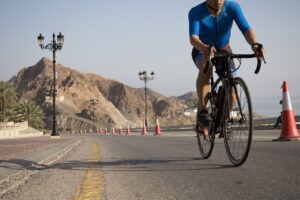
For cyclists over 50, the best breakfast for an early-morning ride is rarely a single “perfect” meal. It is usually a simple fueling plan that matches the ride, the clock, and your own digestion. That means enough carbohydrate to support the effort, a little protein if timing allows, and not too much fat or fiber when you are close to rolling out.
Why breakfast matters more on early rides
After a night of fasting, your body has less readily available fuel than it did the evening before. For an easy spin around the block, that may not matter much. But once a ride gets longer or harder, starting under-fueled can make the effort feel harder than it needs to, especially in the second half.
That matters for older riders for a few reasons. Morning rides are common when work, family, or weather push cycling into the earliest part of the day. Sleep, hydration, and blood sugar can also be a little less forgiving than they were when you were younger. If you begin the ride flat, foggy, or hungry, you are more likely to notice it in both performance and comfort.
Breakfast is not only about power. Many riders also find that skipping it affects mood, focus, and decision-making on the bike. That may sound minor until you are navigating traffic, handling a busy group ride, or descending with tired legs.
The main question: fasted, light snack, or full breakfast?
The right answer depends on how long you will ride, how hard you plan to push, and how close breakfast is to your start time.
A low-intensity ride of up to about 90 minutes can often be done without breakfast if you ate normally the night before and you feel well riding that way. That is very different from a hard interval session, a club ride with surges, or a long weekend outing. In those cases, pre-ride carbohydrate is usually more helpful.
A useful way to think about it is simple: the more demanding the ride, the more important breakfast becomes. The less time you have before departure, the simpler the food should be.
What to eat when you have only a little time
If you are eating within about 0 to 90 minutes of riding, keep things easy to digest. Simple, carbohydrate-rich foods tend to work best here, especially when they are low in fat and fiber.
That usually means foods like toast, a bagel, banana, plain cereal, rice, jam, or juice. Some riders do well with yogurt and a little fruit, or a small sandwich if that sits well. The point is not to eat a huge meal. The point is to give your body fuel without asking your stomach to do too much before the ride starts.
This is where many older cyclists get into trouble. A big breakfast with eggs, bacon, fried foods, or lots of nuts may seem sensible because it feels substantial, but it can sit heavily and cause reflux, cramps, or an unpleasant sense of fullness once you are on the bike.
If you only have ten or fifteen minutes before you ride, even a good breakfast may be too much if it is large or high in fiber. In that situation, a small, familiar snack is usually better than forcing down a meal that your body has no time to process.
What to eat when you have more time
If you can eat two to four hours before riding, you have much more flexibility. This is the window where a more balanced breakfast can make sense.
A good version might include whole-grain toast, oats, fruit, yogurt, and a modest amount of protein. Some healthy fat is fine when you have enough time before the start. This style of breakfast is easier to fit into normal life and may better support overall health goals than a race-day style meal every morning.
For cyclists over 50, that balance matters. Many riders are trying to support performance while also keeping an eye on weight, cholesterol, blood pressure, or diabetes risk. A breakfast with whole grains, fruit, and reasonable protein can help with satiety and daily nutrition without turning every ride into a sports-nutrition experiment.
The key is timing. The same breakfast that works well two or three hours before a ride may feel far too heavy if you eat it and immediately head out the door.
How much carbohydrate do you actually need?
There is no single number that suits every rider, but sports-nutrition guidance often uses carbohydrate intake ranges based on ride length and intensity. For recreational cyclists, it helps to treat those numbers as broad guidelines rather than strict rules.
For longer endurance rides, especially ones lasting several hours, a meal with roughly 1 to 3 grams of carbohydrate per kilogram of body weight in the hours before riding is a common reference point. Some endurance guidelines also suggest higher amounts, such as about 3 to 4 grams per kilogram, when there is more time before the ride and the effort will be substantial.
That may sound complicated, but the practical takeaway is simple. Harder and longer rides need more carbohydrate. Shorter, easier rides need less. You do not need to hit a lab-grade target every time, but if you regularly feel weak halfway through a ride, you may be starting with too little fuel.
A plain-English way to think about it is this: a short recovery spin may only need a banana or nothing at all, while a three-hour ride or a hard group session may call for a more deliberate breakfast and additional on-bike fueling.
Why low-fiber, low-fat foods often work best close to the ride
Fat and fiber are not bad foods. They are just not always ideal right before you pedal hard.
Fat slows gastric emptying, which can make food sit in your stomach longer. Fiber can do something similar, especially in larger amounts. For a rider in their 20s, that may be manageable. For many cyclists over 50, it is more likely to cause reflux, bloating, or a sluggish feeling during the first part of the ride.
That is why simple carbohydrates are often emphasized in the final hour or two before a ride. White bread, bagels, rice, cereal, bananas, applesauce, and juice are common examples because they are easy to digest and quick to use.
This does not mean you need to avoid all fats or fiber all morning. It means you should be more careful with them when the ride is close. If you have several hours before departure, you have more room for a fuller breakfast.
Is fasted morning riding a good idea after 50?
Sometimes. Not always.
A low-intensity ride after an overnight fast can be perfectly reasonable for some riders, especially if the ride is short and comfortable. Some people also prefer it because they do not like eating early or because they are trying to manage overall calorie intake.
But fasted riding is not automatically better, and it is not ideal for everyone. If the ride is hard, long, or unpredictable, riding on little or no fuel can leave you drained, irritable, or prone to bonking. If you have diabetes, cardiovascular disease, or take medications that affect blood sugar or blood pressure, a fasted ride may need extra caution and individualized advice.
The important point is not whether fasted riding is fashionable. It is whether it fits the ride and your health situation. For many older cyclists, a modest breakfast is the more reliable choice.
Don’t confuse coffee with breakfast
Many cyclists start the day with coffee, and for good reason. Caffeine can sharpen alertness and may make the first few miles feel easier.
But coffee is not fuel.
It may help you feel more awake, but it does not replace carbohydrate for a ride that demands energy. If you rely on caffeine alone and then wonder why you fade later, the problem may be under-fueling rather than a lack of motivation.
Coffee can also affect the stomach, especially when combined with a rushed breakfast or a nervous pre-ride routine. If you know caffeine tends to bother you, test your timing and amount carefully on training days, not on a big event morning.
Hydration matters before the first pedal stroke
Breakfast is not just about food. It is also about fluids.
A simple habit such as drinking water when you wake up can help, and having roughly 400 to 600 ml in the couple of hours before riding is a practical target many riders can work with. You do not need to chug all at once. The goal is to start the ride reasonably hydrated, not to slosh around on the bike.
This is especially relevant for older cyclists, who may not feel thirst as clearly and can be more vulnerable to lightheadedness early in the day. If you wake up dry-mouthed, a bit flat, or already reaching for coffee before water, it is worth being more deliberate about fluids.
Simple breakfast ideas that actually work
The best pre-ride breakfast is the one you can digest, repeat, and trust.
Some riders prefer oatmeal with fruit. Others do better with toast and jam, a bagel, yogurt with cereal, or rice with a little protein. A few like a peanut butter and jelly sandwich or a smoothie if it is not too heavy. These are not magic foods. They are just common, practical options that can be adjusted for time and tolerance.
The repeated theme across many riders is not novelty but simplicity. Familiar foods tend to be safer than adventurous ones, especially before an early ride or event. If a certain breakfast has worked several times in training, that is often more valuable than whatever the internet currently calls the “best” option.
Common mistakes cyclists over 50 make before early rides
One of the most common errors is treating every ride the same. A relaxed 60-minute spin does not need the same breakfast as a three-hour ride with hills and surges.
Another mistake is eating a large, heavy meal too close to departure and then being surprised by stomach trouble. Related to that is the opposite problem: rolling out almost empty on a ride that is too long or too hard for fasted training.
It is also easy to overvalue protein before a ride and undervalue carbohydrate. Protein matters across the day, but before endurance riding, carbohydrate is usually the more important immediate fuel.
Sugary foods can also backfire if they are used without a plan. A pastry or a sweet drink may provide a quick lift, but if the ride is long, the rider may need more structured fueling later to avoid a slump.
And then there is the habit of copying someone else. What works for a club mate, a forum poster, or a rider on social media may not suit your stomach, your schedule, or your health profile.
Breakfast, weight, and long-term health
Many older riders want the same breakfast to support riding and not work against longer-term health goals. That is a reasonable aim, but it helps to keep expectations realistic.
Breakfast does not “fix” metabolism, and skipping it does not automatically improve weight control. The bigger picture is your total daily intake, your overall diet quality, your activity, and your consistency over time.
That said, a balanced breakfast on days when you have time can support health and performance at the same time. Whole grains, fruit, and sensible portions of protein and fat are more than just ride fuel. They are part of the broader pattern that tends to be linked with better cardiometabolic health.
The trick is to separate training days from lifestyle thinking. You do not need a perfect endurance breakfast every morning, but neither should you default to under-eating simply because you are older and trying to stay lean.
What about recovery after the ride?
Pre-ride breakfast does not replace recovery nutrition.
If you go out early on a light snack or a small breakfast, that does not mean you are done fueling when you get home. After the ride, it still makes sense to eat a proper meal with carbohydrates, protein, and fluids.
That matters for older cyclists because recovery can take a little more planning than it did years ago. A solid post-ride meal supports the next session, helps you avoid rebound hunger later in the day, and makes it easier to keep training consistently.
Think of breakfast as the start of the day’s fueling, not the whole plan.
Special caution for diabetes, blood pressure, and other medications
If you have diabetes, cardiovascular disease, or you take medications that influence blood sugar, blood pressure, or heart rhythm, morning fueling deserves extra care.
Generic advice is not enough in those cases. Timing, carbohydrate amount, caffeine, and exercise intensity can all matter. Some riders also need to think about whether their breakfast fits around insulin, diabetes medication, blood pressure treatment, proton pump inhibitors, or other prescriptions.
That does not mean you cannot ride early. It means your plan should be individualized and, when needed, discussed with a qualified clinician. If you have recurring dizziness, unusual fatigue, or blood sugar swings around morning rides, that is worth paying attention to rather than pushing through.
A simple way to think about your next early ride
Instead of asking, “What is the perfect cyclist breakfast?” ask a better question: “What does this ride require, and what will my stomach tolerate?”
If the ride is short and easy, you may only need water, coffee, and a small snack or nothing at all. If the ride is longer or harder, a more deliberate carbohydrate-based breakfast makes sense. If you are eating close to the start time, keep it simple and low in fat and fiber. If you have more time, a fuller breakfast with whole grains, fruit, and modest protein is often a better fit.
For cyclists over 50, that flexible approach is usually the most sustainable one. It supports comfort, preserves energy, and avoids the all-or-nothing thinking that leads to either overfull stomachs or empty tanks.
The next time you set the alarm for an early ride, build your breakfast around the ride itself, not around habit. Start with water, choose a breakfast that matches the timing, and keep your fueling simple enough that you can repeat it confidently. That is often the difference between a ride that feels like a struggle and one that feels smooth from the first mile.